This is the story Emmanuel told me I needed to tell.
And there is something he said that I have not been able to stop thinking about.
You are more than your job.
Your job can be taken away. Your business can be taken away. The deck can change. The opportunity can disappear. The market can move. The thing you thought defined you can be gone faster than you expected.
But the way people experience you lasts.
The real human connection lasts.
The memory of how you made someone feel lasts.
That feels especially important to write down in a moment where everyone is talking about AI.
Because AI is powerful. It can help us build faster, think better, learn quicker, and reach more people. I believe that deeply. It is a big part of what we are building at Luma.
But AI is only as valuable as the human intention behind it.
Technology can amplify you. It cannot replace the need to be real.
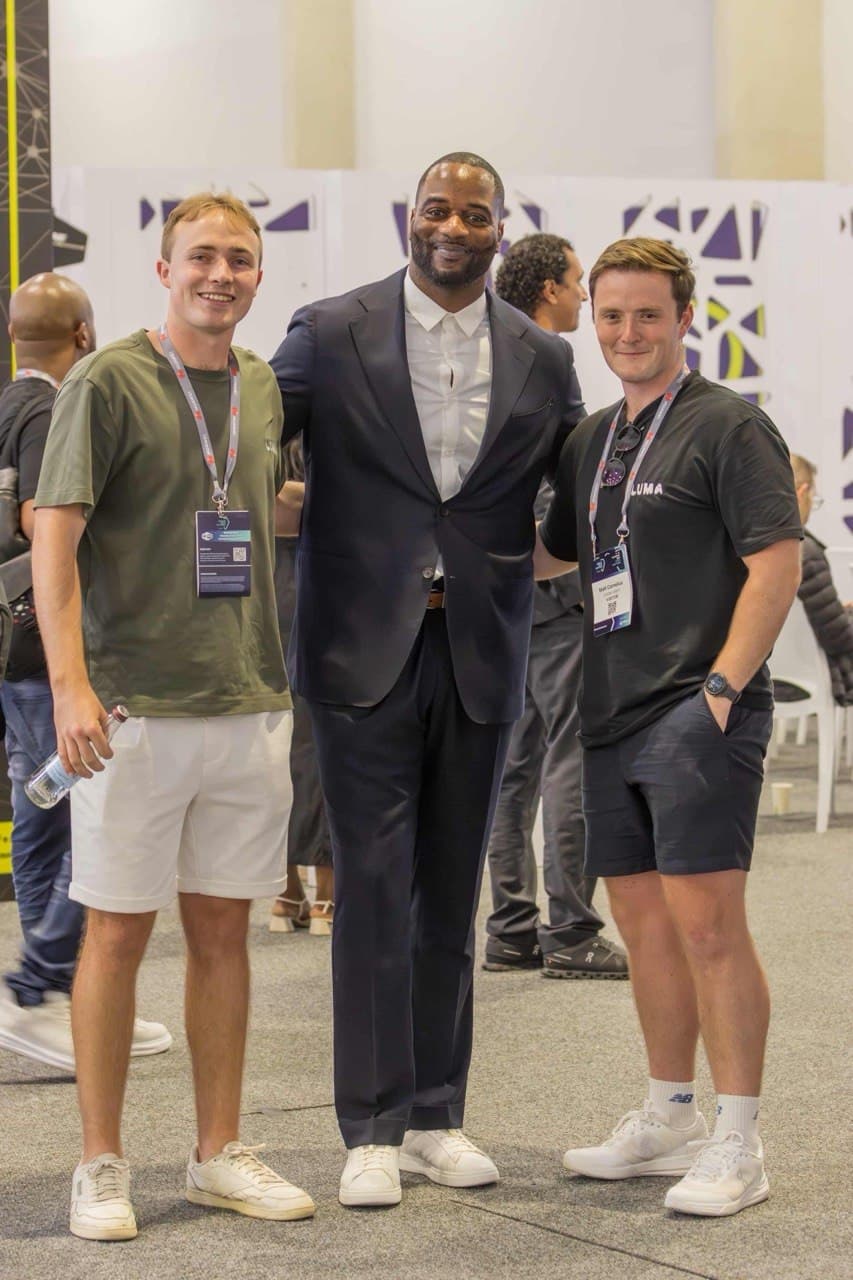
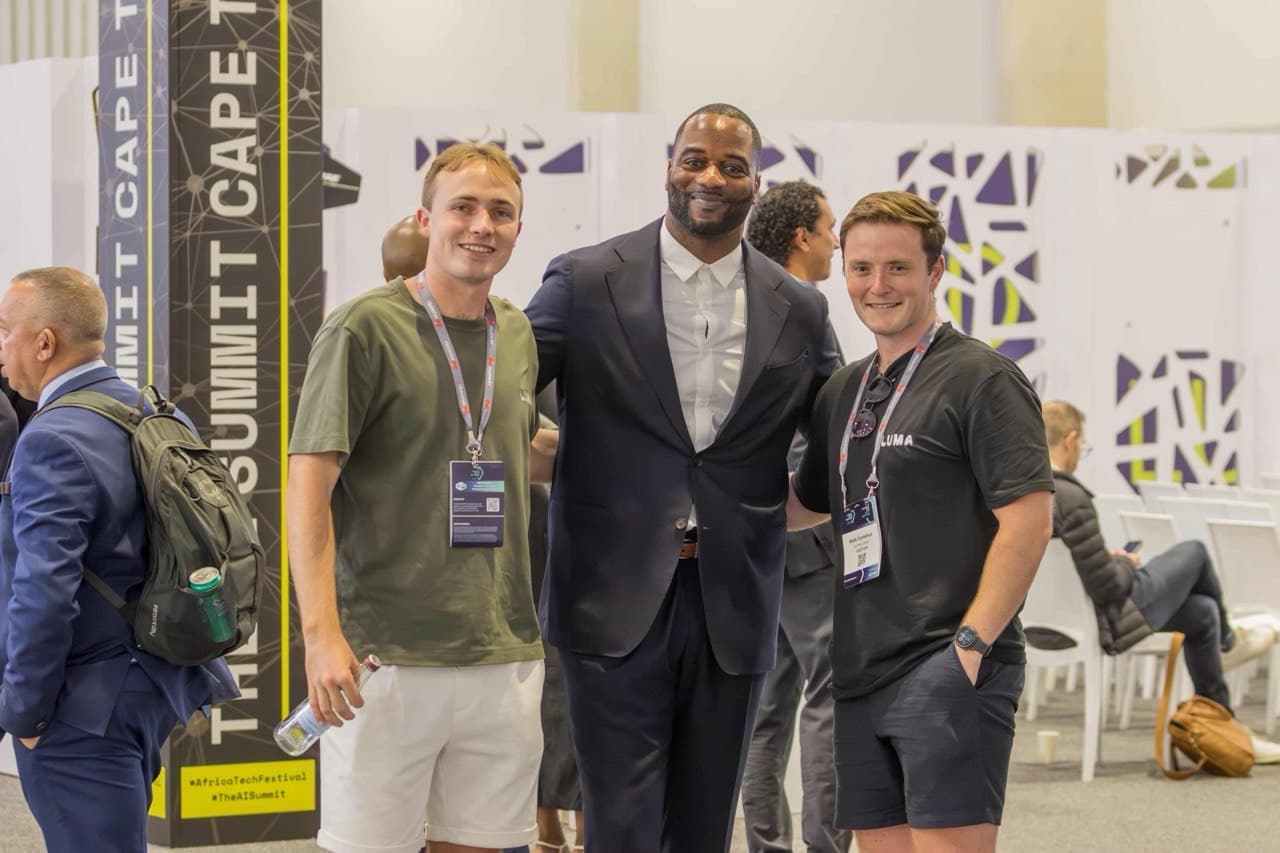
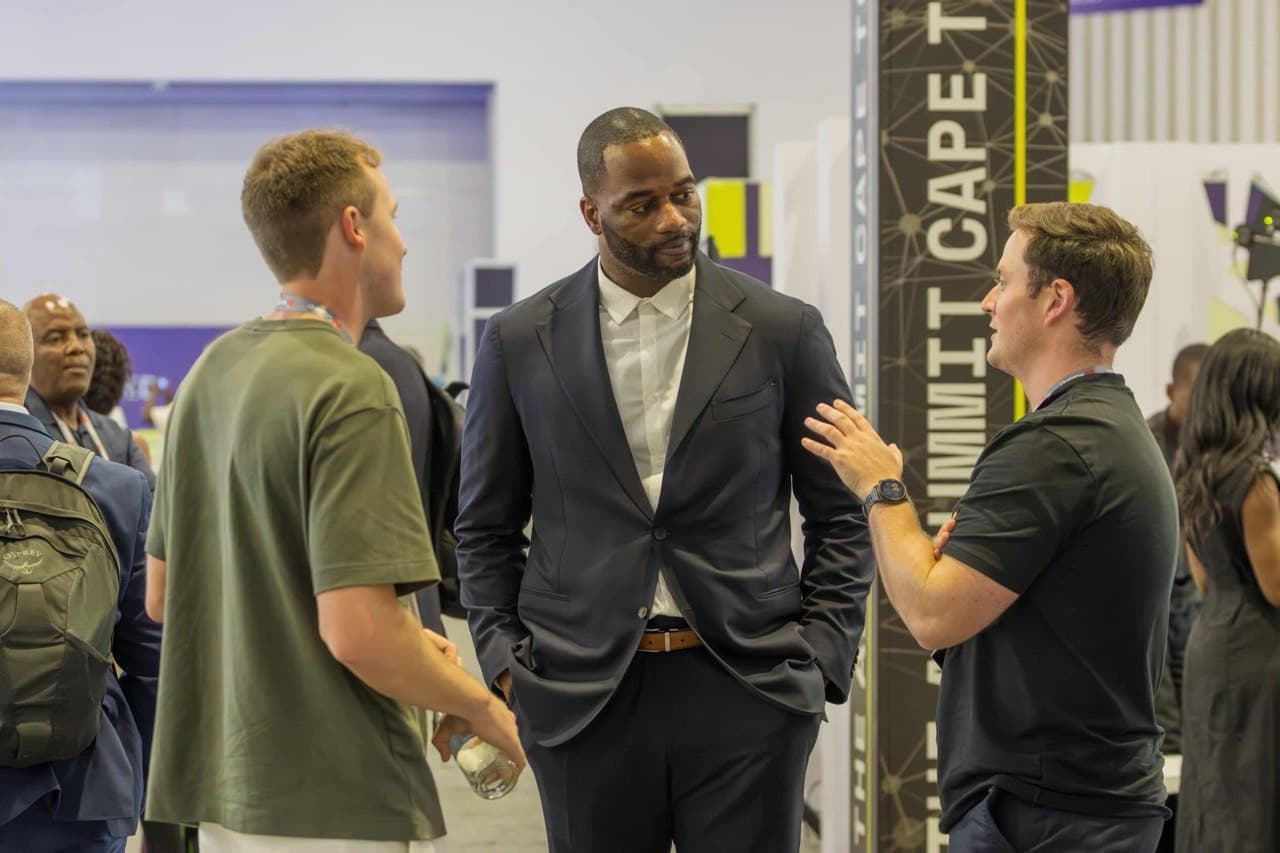
Before The Slide Deck
When we first met Emmanuel, it was not through a perfect pitch.
We approached him at a conference in Cape Town. He had not seen our slide deck. He did not have all the details. He did not know the full plan.
But he could feel something.
He could tell that we cared. That we believed in Africa. That we believed in education. That this was not just a business idea for us, but something we were genuinely trying to build from a place of conviction.
That stuck with me because founders often believe the deck has to do all the work.
The market slide. The product slide. The traction slide. The ask. The model. The roadmap.
All of that matters. You still need to do the work. You still need to be clear. You still need to build something real.
But before someone sees your deck, they meet you.
They feel your energy. They hear how you speak about the problem. They notice whether you are listening. They notice whether you are trying to impress them or connect with them. They notice whether there is something genuine underneath the ambition.
That first human signal matters more than we sometimes admit.
What Emmanuel Looks For
I asked Emmanuel where he finds inspiration and whether he has specific role models.
His answer was not really about status, titles, or famous names.
He spoke about people who are real, genuine, and good.
He reflected on his childhood, on difficult experiences, and on what life had taught him. The thread was simple: everything can be taken away, so appreciate the people you meet. Appreciate genuine connection. Be kind. Be human to the best of your ability.
That answer landed with me because Emmanuel has been in rooms most people only read about.
He speaks at Harvard, Columbia, Wharton, and other top business schools. He meets heads of state, ministers, founders, investors, and people with extraordinary resumes.
And yet, when he spoke about the people who stay with him, it was not only the most impressive people.
It was the people who were genuinely good.
The people who said thank you.
The people who treated others fairly.
The people who were real.
That is the stuff that sticks.
AI Is Still Human Work
The first OpenAI Forum in Africa was an incredible reminder of this.
It was a privilege to present our work and to speak with so many people thinking seriously about AI, education, public services, language, business, and the future of the continent.
But the part I keep coming back to is not only the technology.
It is the conversations.
The human connection.
The moments where people were trying to understand what AI could mean in practical terms, beyond the presentations and the networking.
That matters because AI can easily become abstract. Models, benchmarks, automation, productivity, agents, platforms. The language gets technical quickly.
But the real question is still human:
What are we using this for?
Who does it help?
Does it make people feel more capable or more disposable?
Does it bring people closer to opportunity?
Does it help someone learn, work, create, and participate in a world that is changing quickly?
At Luma, that is the part we care about.
We are building with AI because it can make learning more accessible. But the mission is not to make education feel less human. The mission is to use technology to reach people in a way that feels practical, personal, and close to where they already are.
For us, that has meant WhatsApp. It has meant meeting learners, teachers, and parents in a familiar place instead of asking them to cross a digital divide before they can even begin.
The technology matters.
But the human experience matters more.
What Lasts
Emmanuel told me I needed to write this story.
From the first approach at the conference to where things are now.
I think he is right.
Because more people need to hear the simple version:
You meet the person before you see the slide deck.
You remember the human being before you remember the credentials.
You can lose the job, the business, the title, the opportunity, or the room you thought you needed to be in.
But if you are genuine, if you treat people well, if you care about something bigger than yourself, and if you build real relationships along the way, that has a way of carrying further than you expect.
AI will change a lot about how we work.
It will change what we can build, how fast we can learn, and how many people we can reach.
But it should not make us forget the thing that made the opportunity possible in the first place.
People.
Trust.
Kindness.
Real human connection.
That is what lasts.
